A second screen is the cheapest productivity upgrade a nomad can carry, and the easiest thing to buy wrong. Here is what actually matters on the road, and which spec-sheet lines you can safely ignore.
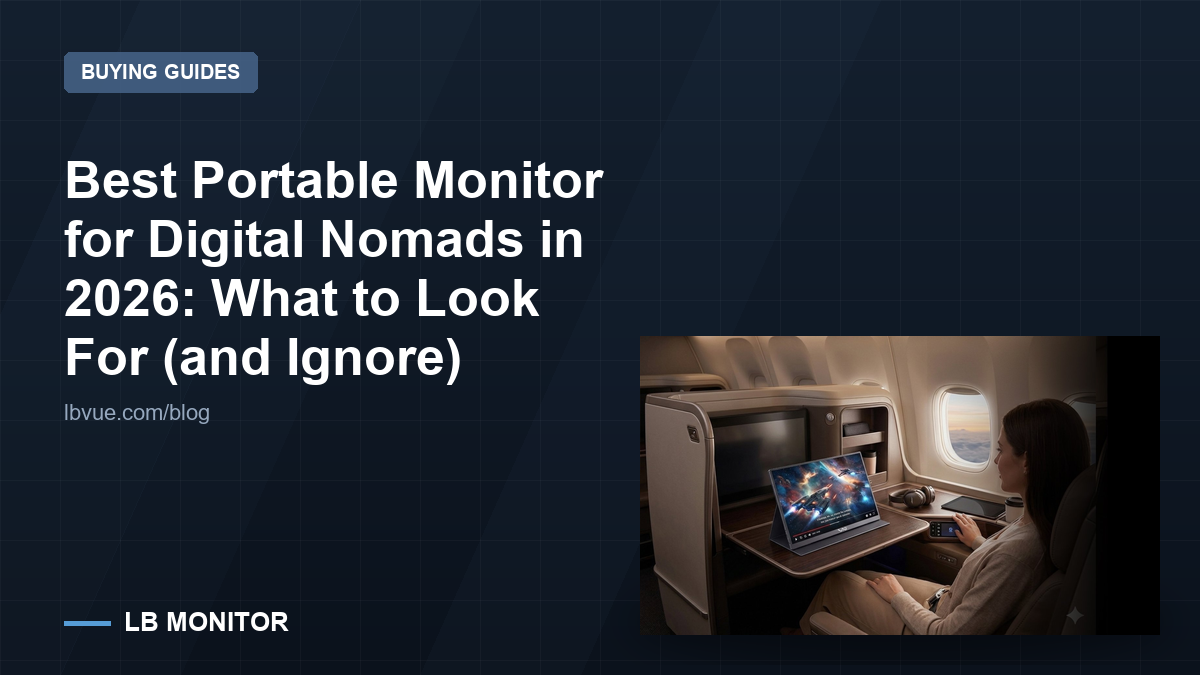

A second screen is the cheapest productivity upgrade a nomad can carry, and the easiest thing to buy wrong. Here is what actually matters on the road, and which spec-sheet lines you can safely ignore.
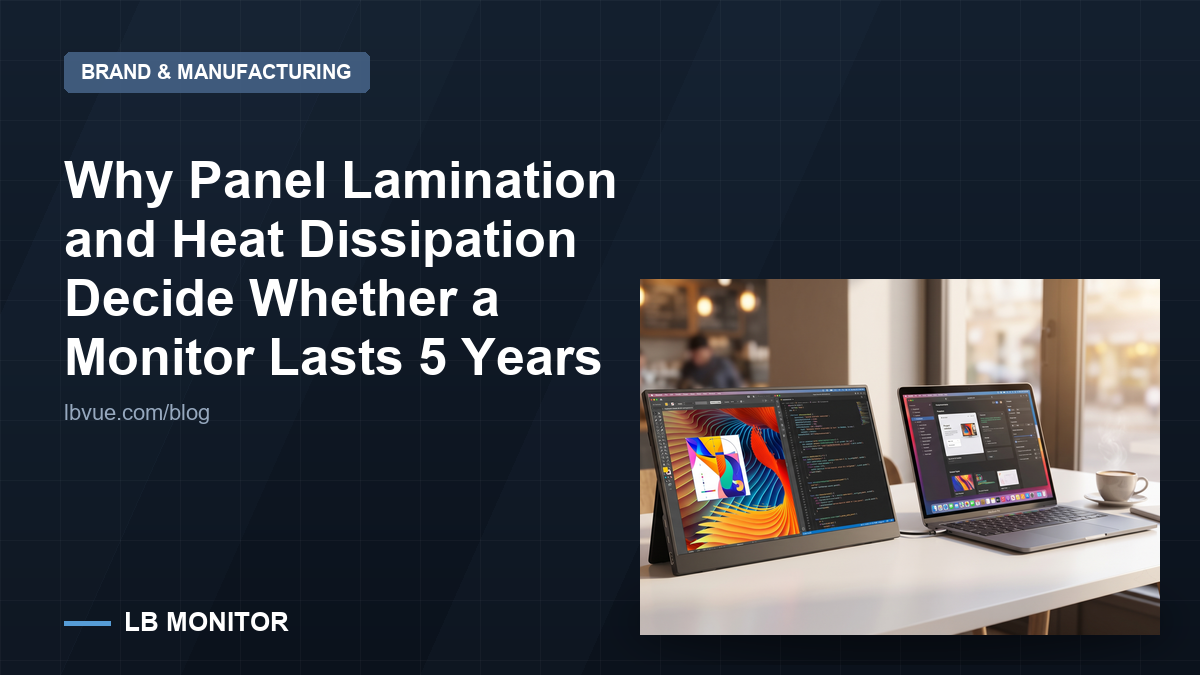
Two monitors can share a panel and differ by years of service life. The difference is usually how the layers are bonded and where the heat goes, not the spec sheet.
A monitor is the sum of its assembly steps. Here is what lamination, edge polishing, aging, calibration and final test each have to catch, and what a factory tour still does not prove.
Burn-in protection is not software you buy. These six habits take about a minute a week and target the only thing that actually causes uneven OLED wear: static bright content.
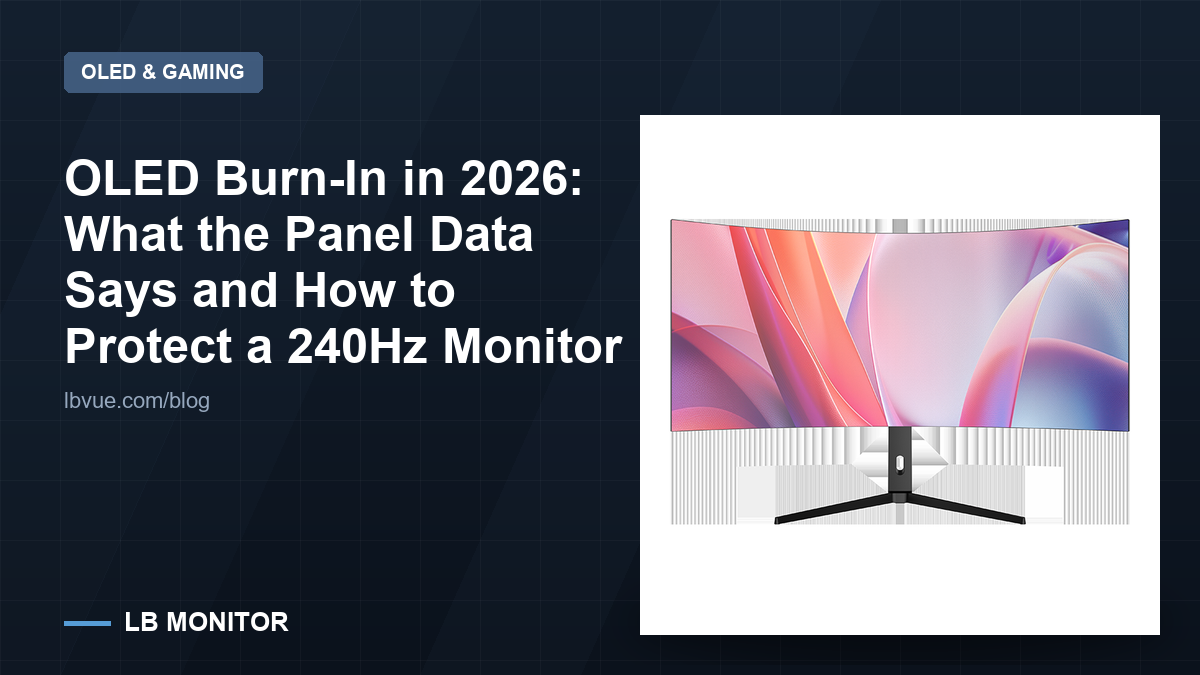
Burn-in is wear, not a defect. Here is what actually predicts it on an OLED gaming monitor, what the published panel lifetime figures really measure, and the routine that keeps a 240Hz panel healthy.
4K at 32 inches is about density, not resolution. Here is the arithmetic, where the benefit actually shows up, and where it quietly costs you.
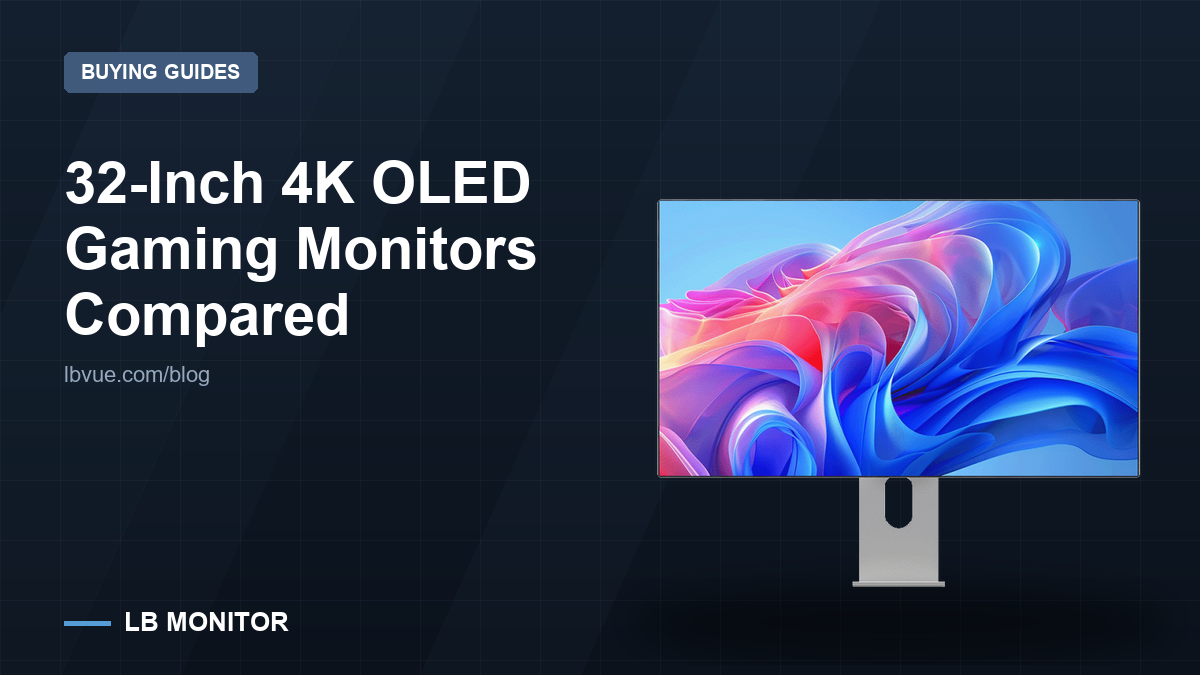
32-inch 4K OLED is a narrow category with big differences between models. Here is the checklist that separates a good buy from an expensive compromise.
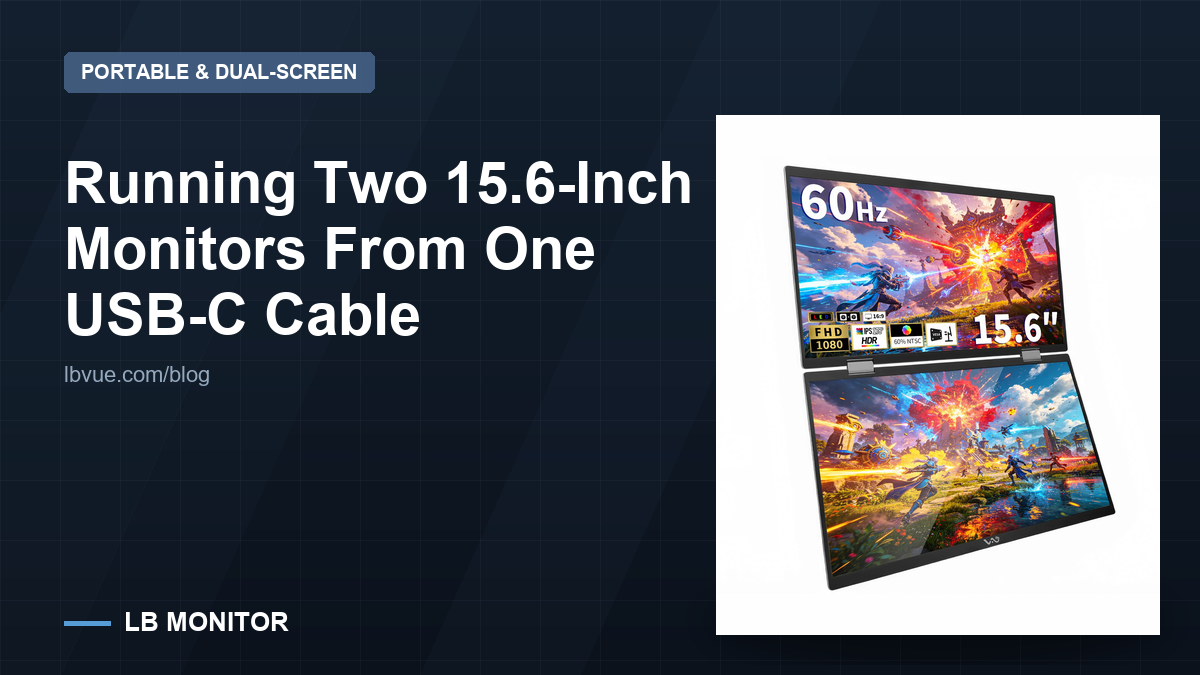
One cable, two screens, no dock. Here is what the laptop has to support, how the power and bandwidth budgets actually work, and the failure modes nobody mentions.
Port shape tells you nothing. Here is the two-line spec check that tells you whether your laptop can push two displays down a single USB-C cable.
OLED and IPS are not two grades of the same thing. Here is what actually changes in motion, contrast, colour and brightness — and which one suits how you play.